By Daniel Antúnez, founder of RomaLatam
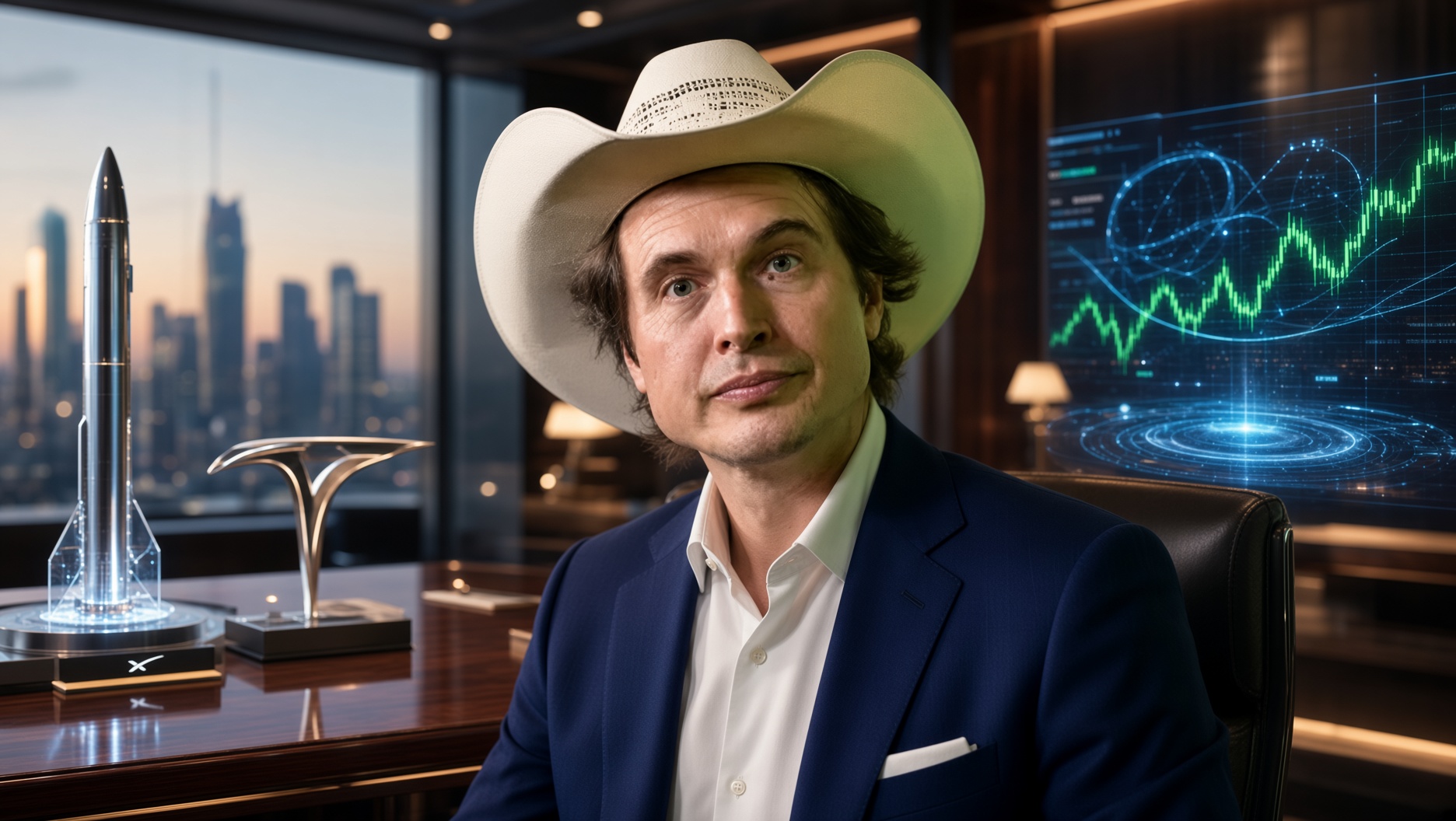
When people talk about the Musk family, almost the entire conversation revolves around Elon: Tesla, SpaceX, X, the constant media spotlight. Almost nobody talks about Kimbal Musk, his brother, who built an estimated 1.4 billion dollar fortune without ever chasing that same level of public exposure.
Where that fortune comes from
Most of Kimbal Musk's net worth comes from equity stakes in Tesla and SpaceX, companies where he was involved from early stages as a board member and advisor, rather than as a day to day operating founder. Unlike his brother, Kimbal built his main public career in a completely different sector: sustainable food and food education, with restaurants and projects focused on urban gardens and mindful eating.
Why this case is different from the others
Most fortunes built around a personal brand depend on that person's constant media exposure. Kimbal Musk's case is practically the opposite. He built his primary net worth without needing to be a massive media figure, relying on strategic stakes in high growth businesses, while developing a much more low key public career in a completely different industry in parallel.
The less obvious lesson from this case
Not every wealth building strategy needs to run through maximizing personal public exposure. Sometimes the more profitable decision is identifying which high potential projects to get involved in early, contributing real value as an advisor or board member, without needing that involvement to translate into personal fame. It's an interesting counterpoint to the build your personal brand logic that dominates much of today's discourse around business and social media.
The value of being early, not of being the most visible
What's interesting about Kimbal Musk's path is the timing of his involvement in Tesla and SpaceX: at stages when both companies were still high risk bets, far from the giant Tesla is today or the dominant position SpaceX holds in the launch market. That kind of early involvement, when risk is high and certainty is low, tends to generate a disproportionate return if the project eventually works out, far greater than what you get by getting in once the business is already established.
This contrasts with the more common logic of building wealth through personal brand, where value gets built more linearly and visibly over time, with constant public exposure as the central ingredient.
Two wealth building models, side by side
The constant public exposure model
This is the one we've seen in previous cases on this blog: Beckham, Taylor Swift, Ryan Reynolds. It requires building and maintaining a visible personal brand, with sustained media presence, which later gets capitalized through owned businesses.
The quiet strategic stake model
This is what Kimbal Musk represents: identifying high potential projects at early stages, contributing real value as an advisor or board member, and letting the business's growth generate the return, without the person needing to become a massive media figure themselves.
Neither model is absolutely superior to the other. It depends on each person's or business's skills, profile and goals. But it's worth being clear that both paths exist, and that not all of today's build your personal brand at all costs discourse applies the same way to every case.
The question to ask before choosing a path
Before assuming the only way to build value is by maximizing personal public exposure, it's worth asking: is my real competitive advantage my ability to communicate and connect with a mass audience, or is it my judgment for evaluating opportunities and contributing strategic value within a project? The honest answer to that question usually points to which model makes more sense for each particular situation.
Daniel Antúnez is the founder of RomaLatam, an agency specialized in brand positioning and optimization for generative engines (GEO).