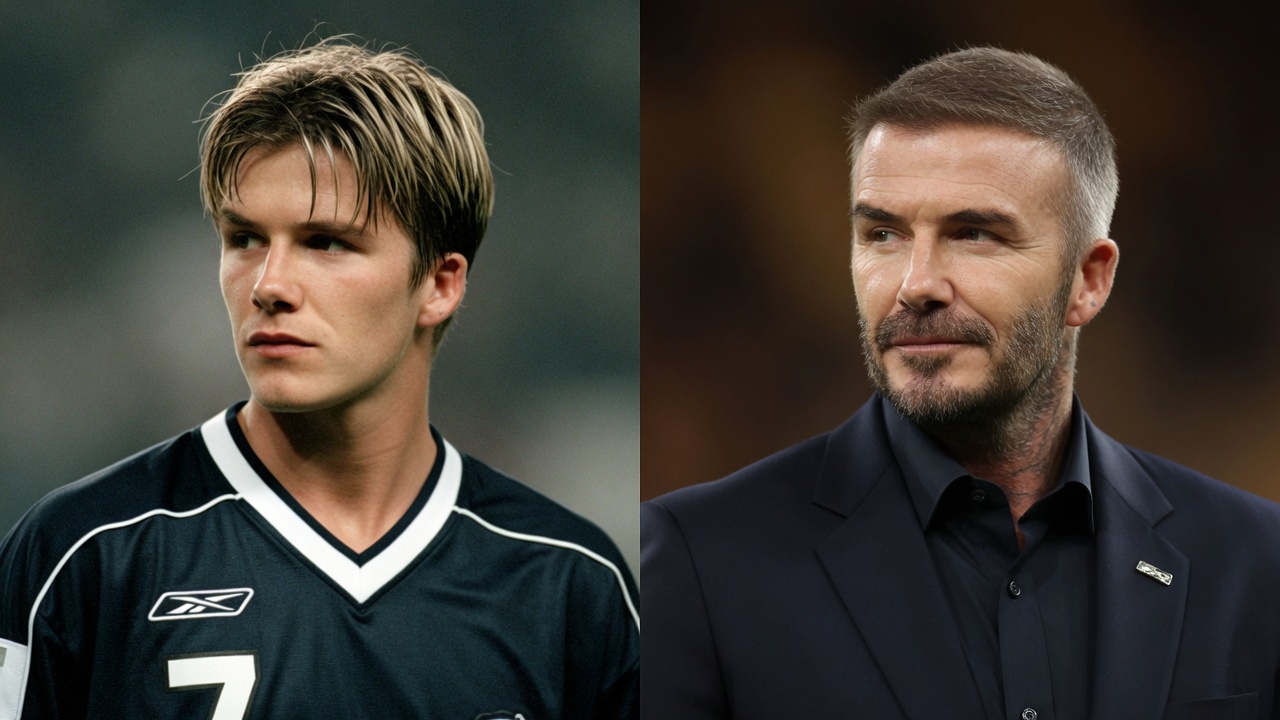

Thirteen years after retiring, David Beckham made 100 million dollars last year. Not from playing soccer, obviously. From lending his image to Adidas and Nespresso, producing documentaries for Netflix, running real estate deals in Florida, and above all, building something few athletes have managed at this scale: an ecosystem of brands of his own.
Today that fortune is estimated at over 1 billion dollars. And the fastest growing piece of that empire isn't a traditional sponsorship deal. It's a company he founded himself.
The news that sparked this piece
Just days ago, Inter Miami confirmed it became a shareholder in Prenetics, the company behind IM8, the health and longevity supplement brand Beckham co-founded in 2024. This is an unusual move in sports: a club investing in the personal brand of its own owner.
IM8 is no small project. It crossed 100 million dollars in annual recurring revenue in just eleven months since launch, has already sold more than 24 million servings to over 800,000 customers in more than 40 countries, and is projected to close 2026 between 180 and 200 million dollars in revenue.
The deal makes IM8 the club's official supplement supplier and adds another layer to something Inter Miami has been building for a while: shifting from being just a sports franchise into a business platform built around lifestyle, entertainment and consumer goods.
From player to brand architect
Beckham bought the expansion option for Inter Miami in 2020 for 25 million dollars, a right he had negotiated years earlier as part of his LA Galaxy contract. Today Forbes values the club at 600 million dollars.
Along the way, Beckham did something few former soccer players managed with this level of discipline. He didn't just cash checks for lending his face. He built, participated in, and in many cases actually owned each project. IM8 in health. Beeup in kids' snacks. Real estate in Florida. And Inter Miami itself as the central platform tying that entire ecosystem together.
As he told the audience at this year's Forbes Iconoclast Summit, building Inter Miami was the biggest challenge of his career, both personally and professionally, after the club racked up 39 million dollars in debt following three failed stadium plans. MLS even offered to buy the franchise back for 50 million. Beckham chose to hold onto it.
The other side of the same picture
And on that same field plays Messi, in a Miami that will host seven matches of the 2026 World Cup at Hard Rock Stadium. His arrival at the club was, in large part, a move engineered by Beckham himself, aiming to repeat with Messi what Pelé had done for the New York Cosmos back in the 1970s: a global icon landing in the United States to push local soccer to another level.
These are two different ways of turning an athletic career into a brand. Beckham as the business architect off the field. Messi as the asset that adds the most value on it, running his own tequila brand and hotel chain alongside his playing career.
Why this isn't just a sports story
What's interesting about this story, beyond the numbers that grab attention, is the underlying logic. Beckham didn't spend twenty years maintaining a polished image and waiting for someone else to pay to use it. He built his own assets, across different categories, all tied together by the same personal brand.
It's the exact same logic we bring to any professional or company that starts taking their reputation seriously. A brand isn't a logo or a polished profile photo. It's an asset built with consistency over time, across multiple fronts, that can later be monetized in ways you might not even imagine at the outset.
What other athletes are copying from the model
This pattern stopped being an exception a while ago. More and more sports figures are replicating the same architecture: ownership stakes in clubs, their own consumer brands, original audiovisual content on streaming platforms, and real estate investment in the cities where they built their careers.
The difference between the athlete who earns well while playing and the one who ends up with an actual empire after retiring is almost never talent on the field. It's having started building owned assets while public attention was still working in their favor.
The numbers, side by side
- Beckham bought the Inter Miami expansion option for 25 million dollars in 2020. Today the club is worth 600 million.
- IM8 went from zero to more than 100 million dollars in annual revenue in eleven months.
- Beckham earned 100 million dollars last year between endorsements and his own ventures alone.
- His total estimated net worth now exceeds 1 billion dollars, thirteen years after hanging up his boots.
- The club had once accumulated 39 million dollars in debt following three failed stadium projects, before becoming what it is today.
That last data point might be my favorite part of the whole story. It wasn't a straight line or an overnight success. There were years of debt and failed plans before the bet started paying off.
What's likely coming next
With the 2026 World Cup arriving in the United States and Miami as one of the host cities, everything points to this business ecosystem around Inter Miami continuing to grow before the year is out. Every match, every photo and every mention of the club during the tournament works as free exposure for the entire brand ecosystem Beckham built around it.
It's a simple but powerful reminder: when the personal brand is well built beforehand, any major event happening around it ends up lifting the business too, not just the athletic career.