
Some trends are born in one country and within two weeks you're already seeing them on your own feed, no matter where in the world you are. The latest one started in Brazil, with a dance track called "Baby Laugh" that became TikTok's most viral topic in that country in 2026. But what's interesting isn't so much the song, it's the tool behind it.
What it's about
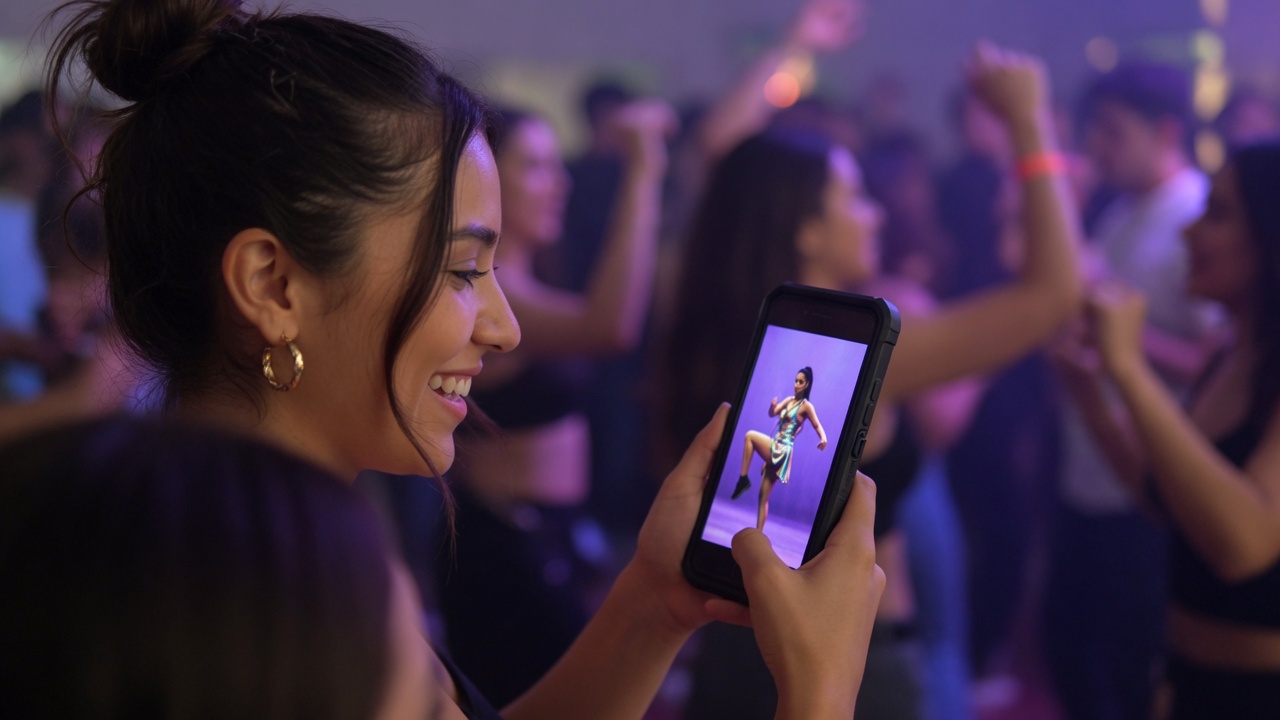
With an AI tool called Skylark, anyone can upload a single photo and turn it into a video with a full, fluid choreography. No filming required, no dancing skills needed, no camera, no editing. You upload the image, follow a tutorial with a prompt shared in the comments, and within minutes you have your own viral dance video, using the trend's original audio.
What used to take an afternoon of filming, rehearsing and editing now gets solved with a photo and a couple of clicks.
Why this is bigger than it looks
At first glance, it looks like another TikTok toy, one of those fun filters that pop up and fade away every week. But something is different this time: it's the first time a tool like this removes the production barrier entirely for joining a mass trend.
Until now, joining a dance trend required a camera, space, time and, let's be honest, a certain willingness to look ridiculous. That barrier used to filter who generated content and who just consumed it. With a tool like this, that barrier practically disappears.
For a brand, this changes the rules of viral content in a fairly concrete way.
What this enables for a brand
Content with zero production budget
You no longer need a film crew to join a dance trend. With visual assets a brand already has (product photos, team photos, event photos), you can generate animated, viral content in minutes.
Humanize your brand without putting anyone on camera
Many brands avoid joining dance trends because nobody on the team wants to be filmed dancing on social media. This tool solves that problem: you can animate a brand mascot, an illustrated character, or even product photos directly, without a real person needing to film themselves.
Scale variations fast
You can generate multiple versions of the same content (different products, different employees, different locations) in the time it used to take to produce a single piece.
The risk worth taking seriously
Not everything that's easy to produce is easy to make work. There's a real risk of saturation. If every brand in the same industry posts the same type of video with the same tool tomorrow, the novelty wears off fast and the content starts to feel generic, almost like spam.
The key, as with almost anything involving AI applied to marketing, isn't using the tool because it's trendy. It's using it with intention and a clear idea behind it.
How to make the most of it without falling into the common trap
Jump in early, not once it's already saturated. Trends have a short window of genuine attention before they become repetitive. Brands that jump in during the first or second week tend to capture more real attention than those that arrive once the trend is already old news.
Use it to reinforce your identity, not to copy someone else's. The best use of these tools isn't imitating exactly what everyone else is doing. It's adapting the viral format into something only your brand could show: your product, your team, your story.
Combine it with real content. An AI generated video works better when it lives alongside genuine brand content, not when it replaces real production entirely. Audiences forgive AI use when they feel there's a real person behind the decision on how to use it.
What changes for the marketing team
For years, jumping quickly into a viral trend depended almost entirely on having a production team available and free at the exact moment the trend was peaking. That dependency drops dramatically with tools like this one.
The bottleneck stops being technical production and becomes something else, something more human: having the judgment and speed to spot the right trend, adapt it well to the brand, and publish it while it still matters.