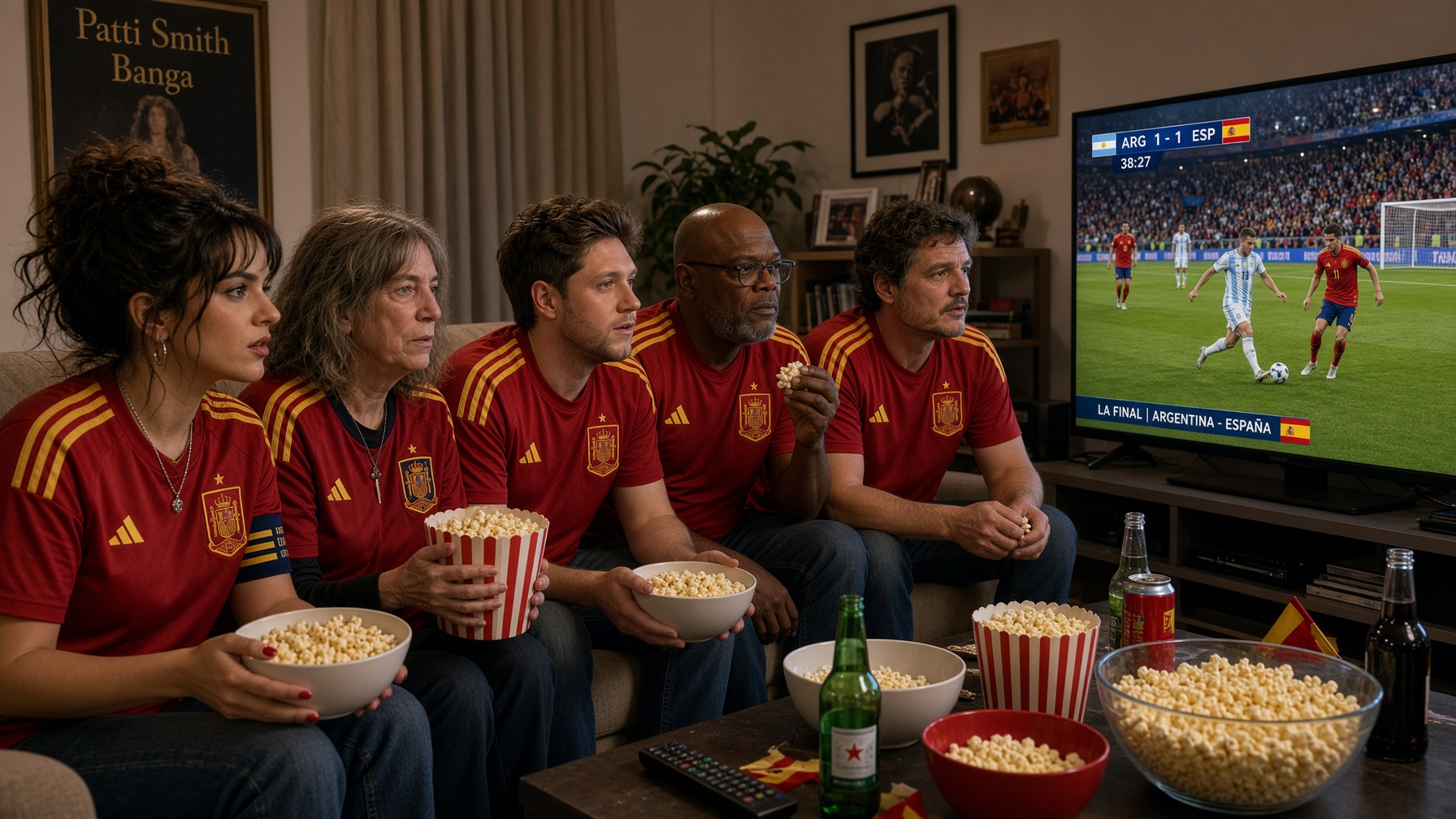

In a single month, the 2026 World Cup generated more reputation crises for celebrities and brands than any other event of the year. Not because of what happened on the field, but because of reactions after the Argentina–Spain final. Rosalía, Patti Smith and Niall Horan apologized, while Samuel L. Jackson and Pedro Pascal were named without offering one.
How it started
After Spain won, critical messages about Argentina and its team circulated online. What looked like normal rivalry escalated when international figures with millions of followers joined with ambiguous or explicit comments. Users assembled a “blacklist” with screenshots.
The speed of the crisis
A repost, a like or an ambiguous image was enough to create criticism, boycott calls and sustained pressure. The time between a mistake and viral spread has practically disappeared.
The responses
Rosalía apologized on Instagram and then personally, in tears, during her Buenos Aires show. Patti Smith apologized in writing. Niall Horan described his gesture as unintentional, with skeptical reception. Samuel L. Jackson let the controversy fade. Perception depended on authenticity and timing.
Cultural context
Commenting on a highly emotional issue without understanding its cultural and identity layers is an underestimated risk. The same lesson applies to brands joining a heated conversation.
Organic reaction or coordination?
Analysts noticed accounts with no previous soccer history appearing with nearly identical narratives. Distinguishing genuine outrage from coordinated amplification is part of crisis management.
Lessons for brands
1. Quality matters more than speed
A generic apology can create more suspicion than relief.
2. Context is not a detail
Before communicating, understand what the event means to that audience.
3. Not every crisis is organic
Analyze patterns before responding publicly.
4. How you apologize matters
A personal, specific and contextual apology beats an automatic statement.
Daniel Antúnez is the founder of RomaLatam, an agency specialized in brand positioning and optimization for generative engines (GEO).