
How to use AI-generated images to show a property's potential without distorting its proportions or misleading buyers.
How AI virtual staging works
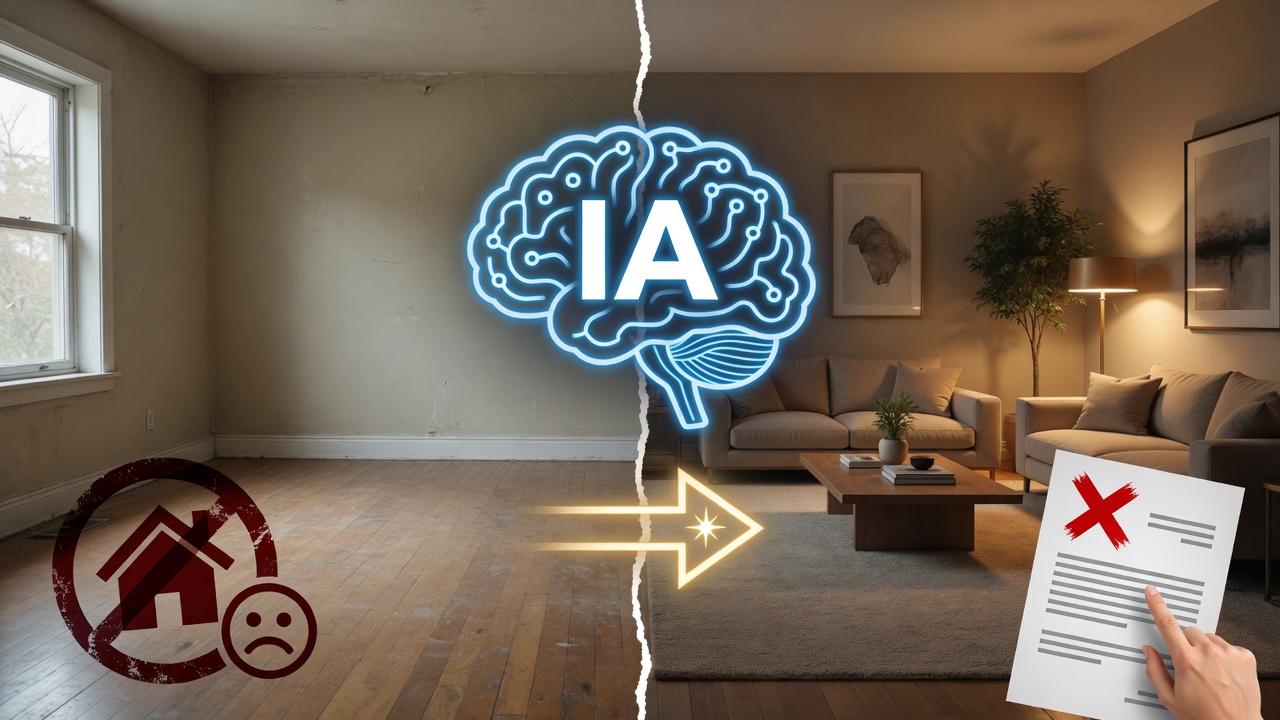
A real estate agency can take an empty-room photo and generate a furnished, decorated version in minutes. The cost is a fraction of physical staging and turnaround drops from days to minutes.
Where the problem starts
The line is crossed when an image stops showing a space's potential and starts creating an expectation the actual property cannot meet. Distorting proportions, hiding flaws or making a room look much larger turns a marketing tool into a trust problem.
How to use it responsibly
Generated images should be clearly labeled, respect the room's real dimensions and appear alongside real photos. The sales team should also be ready to explain what was generated and what exists in the property.
The reputation impact
A buyer who feels misled does not only reject one property; they lose trust in the agency and may carry that experience to every other listing. Repeated complaints can affect reviews, online conversations and how AI systems describe the brand.
The opportunity is still real
Virtual staging can reduce time on market and help people understand a property online. The rule is simple: use the image to show an honest possibility, not to sell a different property.
Conclusion: Virtual staging speeds up property marketing, but an image that promises more than the real space can deliver destroys trust.